World-class Gastro-Hepato Services
Find the best support for your Gut Health
Gastroenterology is the study of the normal function and diseases of the esophagus, stomach, small intestine, pancreas, gallbladder, colon and rectum.
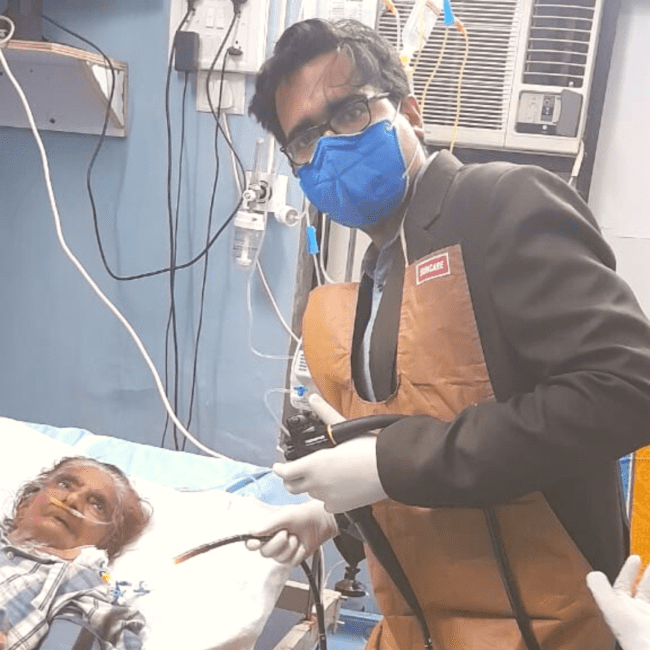
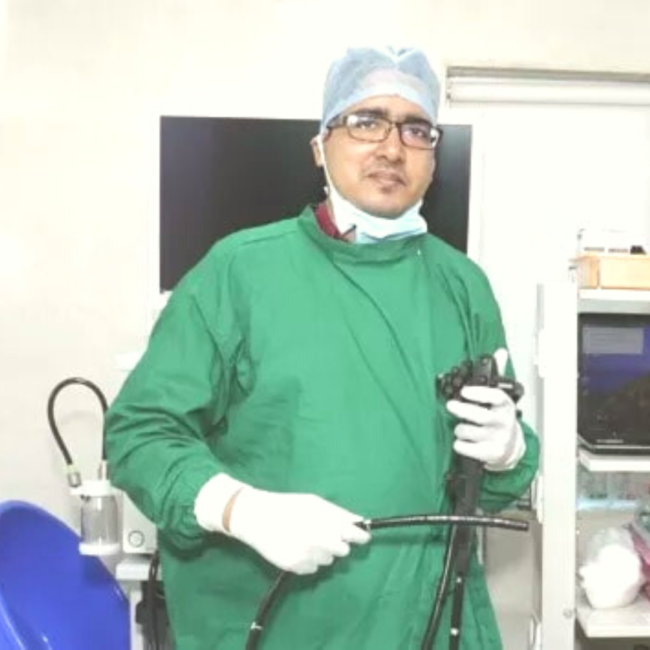
Endoscopy is a diagnostic procedure used to examine a person’s digestive tract, using an device with a flexible tube with a light and camera attached, known as an endooscope.
Colonoscopy is diagnostic procedures used to examine a person’s colon (large intestine), using an device with a flexible tube with a light and camera attached, known as a colonscope.
Hepatologist is a specialist in the branch of medicine called Hepatology, which includes the study of body parts such as the liver, the biliary tree, pancreas and more.



Why choose Gastronaut Clinic?
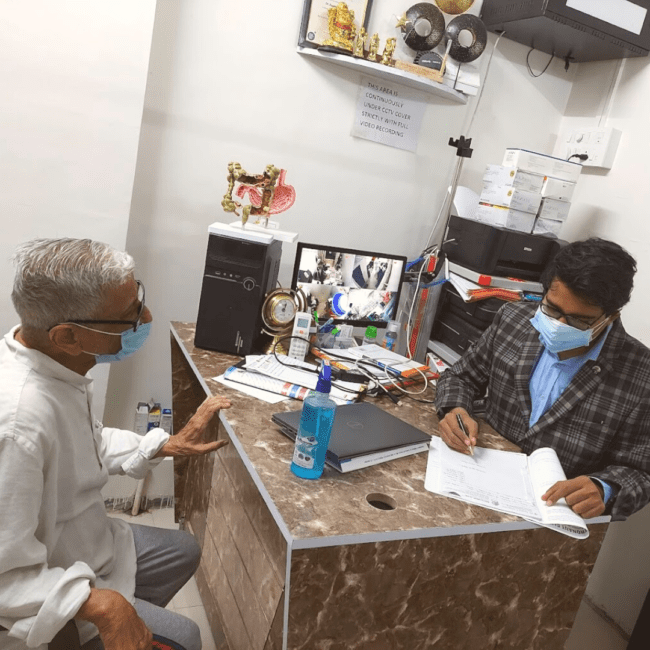
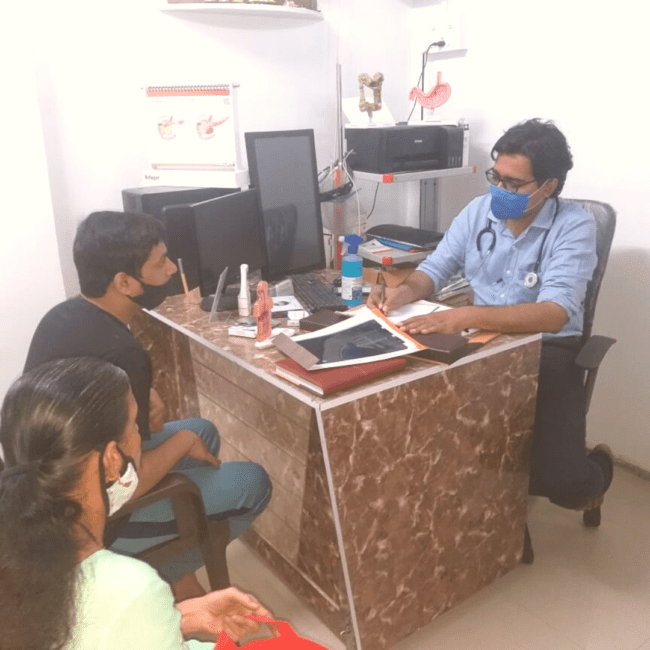
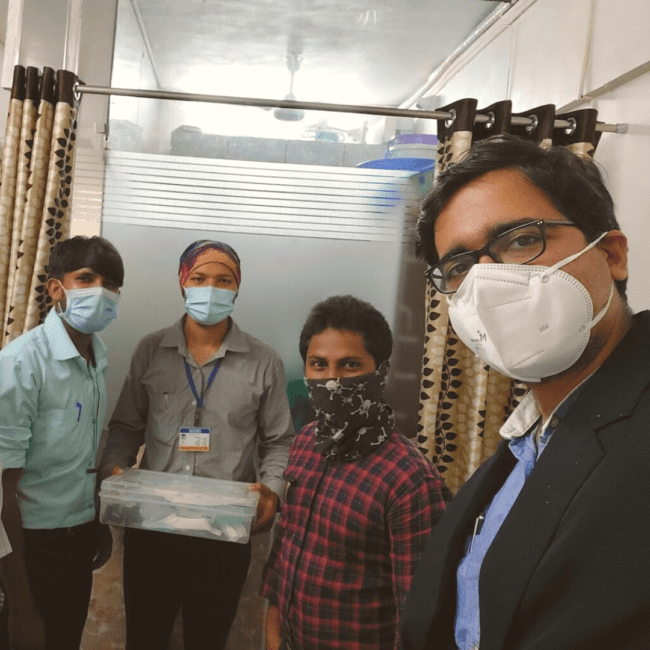
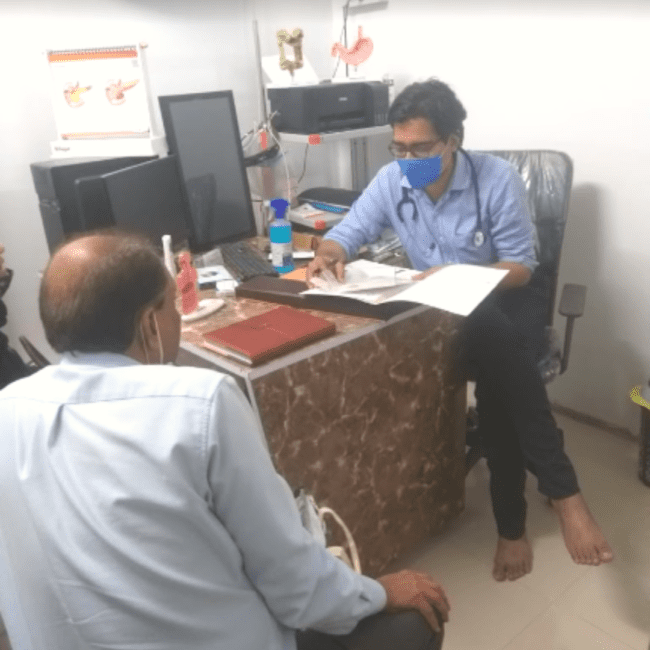
- Team of highly trained Gastro-intestinal specialists under the leadership of Dr. Raajeev Hingorani
- Latest equipments and advanced GI procedures.
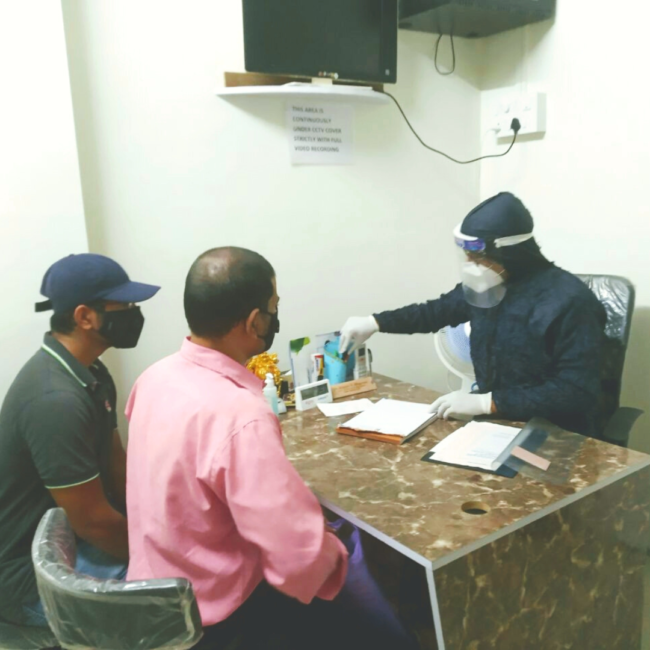
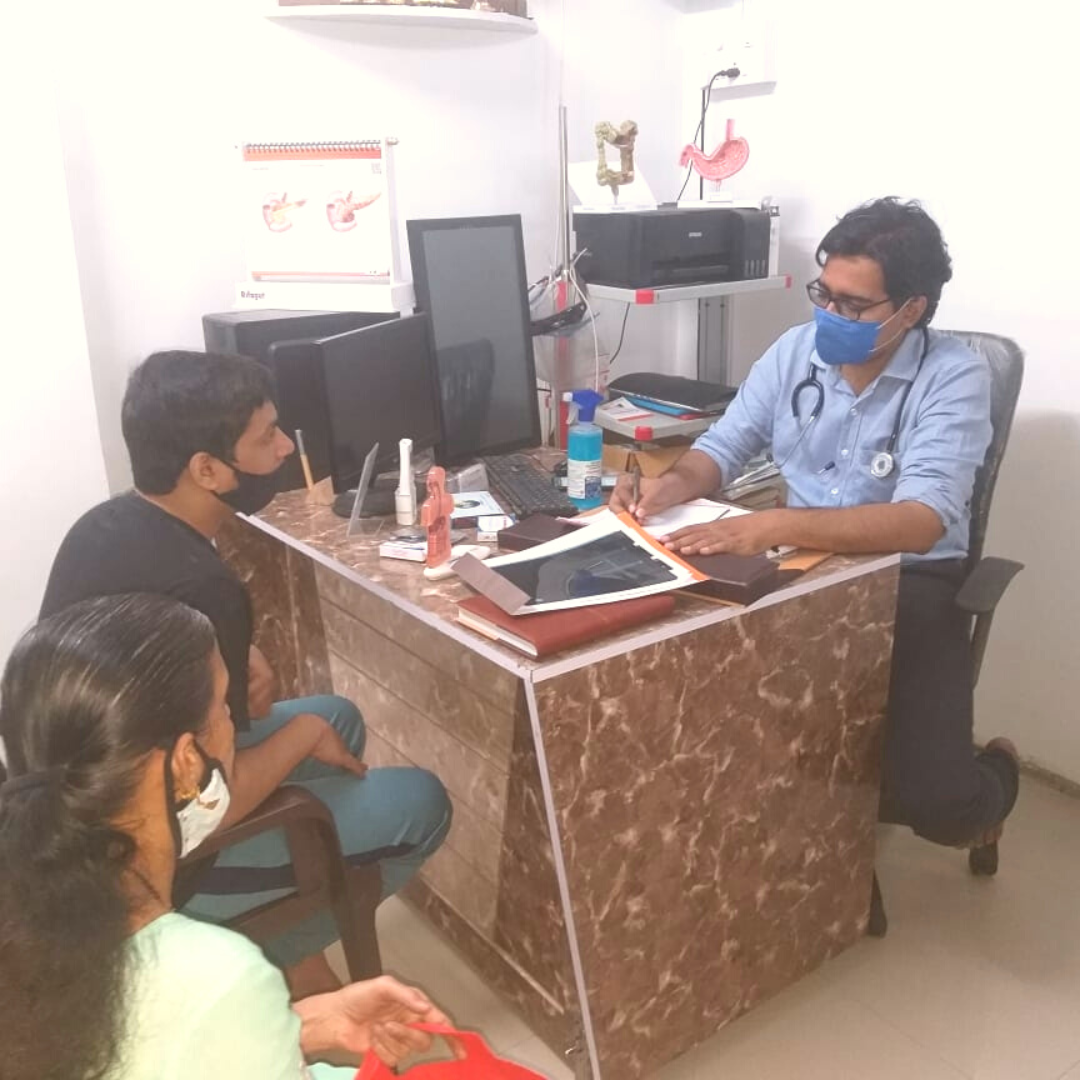
- Patient nurturing environment that educates, enlightens and explains the procedures and it's relevance to the treatment.
- Treated more than 74,000 patients till date and performed more than 12000 successful endoscopy procedures on patients from around the world.
- World Class treatments and care, comparable to the best gastro-intestinal clinics in the world
Experience Advanced cutting edge Gastro-Hepato Technology
At Gastronaut Clinic, we pride ourselves on offering the most advanced technology in gastric care. Our state-of-the-art facilities are equipped with cutting-edge equipment that ensures accurate diagnoses and precise treatment plans.
From endoscopy to colonoscopy to endotherapy to advanced endoscopy to liver issues, we are dedicated to delivering superior high-quality quality highly result-oriented solutions.


Best in class Healthcare with a highly Experienced team
Our team of highly skilled Gastroenterologists in India has years of experience in providing exceptional treatment to patients from all around the world. With their expertise and commitment to excellence, you can trust that you are in the best possible hands. They will guide you through every step of your journey, ensuring your comfort and satisfaction.
Affordable Gastroenterology Treatments with Zero Compromise on Quality
We understand that quality GI care should be accessible to everyone. That’s why we offer affordable prices without compromising on the quality of our treatments. We strive to provide you with the best value for your money, making sure you receive top-notch healthcare at an affordable price.

Words From Happy Clients
Hear from hundreds of patients who have received support and care
EXCELLENTTrustindex verifies that the original source of the review is Google. Thank you best doctorsPosted on GoogleTrustindex verifies that the original source of the review is Google. Hepatitis treatment given correct diagnosis done thqnk youPosted on GoogleTrustindex verifies that the original source of the review is Google. Best treatment for gastric issues at gastronaut clinic i highly recommend this centrePosted on GoogleTrustindex verifies that the original source of the review is Google. Good relief with treatment in gastro related symptoms. Very nice plan of care effective. Got relief in one course of treatment. Endoscopy done smoothly. Highly recommendedPosted on GoogleTrustindex verifies that the original source of the review is Google. We had a very good experience with Dr. Rajiv Hingorani. My Father underwent both an endoscopy and colonoscopy here, and the entire procedure was done very smoothly and professionally. There was slight irritation for a day after the procedure, which I believe can be normal, but it improved on its own later. My father had been experiencing some bowel-related issues, and we are glad we consulted Dr. Hingorani for the evaluation and treatment. Overall, we are very satisfied with the care and experience.Posted on GoogleTrustindex verifies that the original source of the review is Google. Giving me very nice tretment abhi puri tarah se stomach problem theek ho gayaPosted on GoogleTrustindex verifies that the original source of the review is Google. Treatment was excellent and gastro doctor was very polite and professional. Happy with the treatment and suggestions. Outcome is very beneficial.Posted on GoogleTrustindex verifies that the original source of the review is Google. I had Gastronut trobule and hickups result is very goodPosted on GoogleTrustindex verifies that the original source of the review is Google. ERCP done successfully and It was nice experience here
Book an Appointment at Gastronaut Clinic
Consult our Gastro-Intestinal Expert
With Gastronaut Clinic, you can receive world-class Gastrointestinal solutions at a fraction of the cost compared to your home country. Our goal is to make high-tech Gastrointestinal care accessible and affordable for international travelers like you.
We understand that traveling for medical purposes can be overwhelming. That’s why our team is dedicated to providing you with a seamless experience from start to finish. Our comprehensive services ensure your medical tourism journey is hassle-free.
Are you ready to embark on a journey to restore and enhance your GI Health?
Contact us today to learn more about our services and treatments, book a consultation, or inquire about our affordable treatment options. Our friendly team is ready to assist you on your path to improved Gastrointestinal health.
Popular FAQ's
Frequently Asked Questions
About Gastronaut Clinic
Why choose a gastroenterologist for digestive disorders?
Gastroenterologists specialize in diagnosing and treating digestive system diseases using advanced investigations and procedures. Choosing a specialist ensures accurate diagnosis and access to targeted therapies for the gut, liver, and pancreas.
Who is Dr. Raajeev Hingorani?
Dr. Raajeev Hingorani is a highly experienced gastroenterologist and hepatogastroenterologist in Mumbai. He specializes in digestive diseases, liver disorders, pancreas-related conditions, therapeutic advanced endoscopy, colonoscopy, and complex gastrointestinal procedures.
What differentiates Gastronaut Clinic for other clinics or hospitals?
Gastronaut Clinic is a Super-speciality Clinic dedicated to the treatment of Gastro-Intestinal Ailments.
What differentiates us from other clinics is the quality and effectiveness of our treatment. Dr Raajeev Hingorani is an expert in the field of gastroenterology. He has conducted over 12,000 endoscopies and has 15+ years of experience behind him.
He has also been on the doctor panel at various hospitals in Mumbai. So, you get the same treatment you would get at a renowned multi-speciality hospital for a much lesser charge, if you consult him directly at Gastronaut Clinic.
Your health is in safe hands at Gastronaut Clinic, we assure you the best possible treatment that doesn’t leave a dent in your pocket.
Why is Gastronaut Clinic considered among the best gastroenterology clinics in Mumbai?
Gastronaut Clinic by Dr. Raajeev Hingorani is known for providing comprehensive, advanced diagnosis and treatment for digestive, liver, pancreas, and intestinal disorders. Located in Mumbai, the clinic offers top-tier gastroenterology and hepatology care, including diagnostic and therapeutic endoscopy, colonoscopy, ERCP, liver disease management, IBS treatment, and expert digestive health consultations.
Does Gastronaut Clinic treat stomach disorders and provide hepatology care?
Yes. GASTRONAUT CLINIC – Dr. Raajeev Hingorani provides comprehensive evaluation, diagnosis, and treatment for stomach disorders, digestive diseases, liver conditions, and gastrointestinal issues in Mumbai.
General Gastroenterology
Who is a stomach specialist?
A stomach specialist, also called a gastroenterologist, diagnoses and treats diseases related to the stomach, intestines, liver, pancreas, and digestive system.
What are digestive disorders and what symptoms indicate digestive disease?
Dr. Raajeev is an experienced gastroenterologist and he treats a range of disorders and conditions pertaining to the gastrointestinal (GI) tract.
Any issues related to the stomach, liver, intestines, esophagus, gallbladder, pancreas, and colon.
Feel free to book an appointment for treatment on any of these issues or symptoms:
- Chronic gas trouble
- Chronic Indigestion
- H.pylori treatment
- Persistent vomiting
- Severe loss of appetite
- Hiccoughs
- Continuous reflux related Cough
- Fibroscan endoscopy
- Colonoscopy
- Sigmoidoscopy
- Irritable bowel
- Inflammatory Bowel
- Liver abnormalities
- Weight loss with diarrhoea
- Food intolerance
- Wheat allergy
- Milk allergy
- Improper absorption of food
- Fatty liver
- Hepatitis A, B, C , E
- Jaundice
- Acidity chronic
- Reflux – persistent
- Burping – continuous
- Chronic Stomach pain
- Persistent diarrhoea or
- Constipation with or without Gas
- Cirrhosis liver
- Chronic pancreatitis
- Chronic heartburn
- Bloating, gas
- Black stools
- Blood in stools
- Blood vomiting
- Peptic ulcer
- Colitis
When should I visit a gastroenterologist / stomach specialist in Mumbai?
You should consult a gastroenterologist if you experience persistent or severe digestive discomfort, including:
Chronic acid reflux, acidity, or difficulty swallowing (dysphagia)
Unexplained weight loss or loss of appetite
Persistent abdominal pain, bloating, constipation, or diarrhea
Jaundice (yellowing of eyes/skin) or a fatty liver diagnosis
Blood in your stools or vomit
Bowel Habits: Constipation, Diarrhea, and Piles
What causes constipation and when should it be evaluated?
Constipation can occur due to a low-fiber diet, dehydration, stress, lack of physical activity, certain medications, IBS, or structural digestive disorders. You should consult a gastroenterologist if constipation lasts for several weeks, or is accompanied by severe pain, bleeding, or sudden changes in bowel habits.
How is chronic constipation treated?
Treatment involves custom dietary modifications (such as increasing fiber), optimal hydration, lifestyle changes, prescription medications, and medical evaluation to rule out underlying gastrointestinal conditions.
Any issues related to the stomach, liver, intestines, esophagus, gallbladder, pancreas, and colon.
Feel free to book an appointment for treatment on any of these issues or symptoms:
- Chronic gas trouble
- Chronic Indigestion
- H.pylori treatment
- Persistent vomiting
- Severe loss of appetite
- Hiccoughs
- Continuous reflux related Cough
- Fibroscan endoscopy
- Colonoscopy
- Sigmoidoscopy
- Irritable bowel
- Inflammatory Bowel
- Liver abnormalities
- Weight loss with diarrhoea
- Food intolerance
- Wheat allergy
- Milk allergy
- Improper absorption of food
- Fatty liver
- Hepatitis A, B, C , E
- Jaundice
- Acidity chronic
- Reflux – persistent
- Burping – continuous
- Chronic Stomach pain
- Persistent diarrhoea or
- Constipation with or without Gas
- Cirrhosis liver
- Chronic pancreatitis
- Chronic heartburn
- Bloating, gas
- Black stools
- Blood in stools
- Blood vomiting
- Peptic ulcer
- Colitis
What are piles and are they related to constipation?
Piles, also known as hemorrhoids, are swollen blood vessels located around the rectum or anus. Chronic constipation and straining during bowel movements are the leading causes of piles. Symptoms include bleeding during bowel movements, pain, itching, and local swelling.
Chronic acid reflux, acidity, or difficulty swallowing (dysphagia)
Unexplained weight loss or loss of appetite
Persistent abdominal pain, bloating, constipation, or diarrhea
Jaundice (yellowing of eyes/skin) or a fatty liver diagnosis
Blood in your stools or vomit
What are the common causes of chronic diarrhea?
Diarrhea may occur due to infections, food intolerances, IBS, medications, celiac disease, inflammatory bowel disease (IBD), or malabsorption disorders. Medical attention is recommended if diarrhea persists for more than a few days, or is accompanied by a fever, signs of dehydration, or blood in the stools.
Can piles be treated without surgery?
Yes. Many cases of piles can be successfully managed without surgery using specialized medications, high-fiber dietary changes, lifestyle modifications, and minimally invasive, non-surgical procedures. You should seek medical care if bleeding occurs frequently or pain becomes severe.
Abdominal Pain, Gallstones, and Pancreatitis
What causes recurring stomach pain and when is it serious?
Stomach pain can be caused by acidity, peptic ulcers, gallstones, pancreatitis, IBS, infections, or intestinal disorders. Stomach pain is considered a medical emergency if it is severe, sudden, or accompanied by persistent vomiting, high fever, gastrointestinal bleeding, or sudden abdominal swelling.
Which tests help diagnose stomach pain?
To find the exact cause of abdominal pain, gastroenterologists commonly recommend diagnostic tests such as upper GI endoscopy, colonoscopy, abdominal ultrasound, CT scans, and comprehensive blood tests.
What are gallstones and what symptoms do they cause?
Gallstones are hardened digestive fluid deposits that form inside the gallbladder. They can cause sudden or recurring upper abdominal pain (often after eating fatty meals), nausea, vomiting, bloating, and severe indigestion. They are most commonly diagnosed using an abdominal ultrasound.
What is pancreatitis and what causes it?
Pancreatitis is the inflammation of the pancreas, which can occur suddenly (acute) or over a long period (chronic). Common causes include gallstones, high alcohol consumption, very high triglycerides, and other underlying pancreatic disorders. Symptoms include severe upper abdominal pain that radiates to the back, vomiting, nausea, and fever.
Advanced Endoscopy & Colonoscopy Procedures
What is endoscopy and what diseases can it diagnose?
An endoscopy is a diagnostic procedure that is commonly performed by doctors for various reasons. This non-surgical procedure involves inserting a slender, flexible tube called an endoscope into the body through a natural opening, such as the mouth or anus.
The endoscope is equipped with a camera and light source, which allows the doctor to visualize and examine the internal organs, tissues, or cavities.
An endoscopy may be needed to investigate and diagnose various medical conditions such as gastrointestinal disorders, ulcers, tumors, polyps, bleeding, inflammation, or even cancer. By providing a direct and real-time view of the affected area, an endoscopy allows doctors to assess the extent of the problem, obtain tissue samples for further analysis, or even perform certain minimally invasive treatments. With its ability to provide valuable insights into the inner workings of the body, an endoscopy plays a crucial role in the accurate diagnosis and subsequent management of numerous medical conditions.
Is endoscopy safe, painful, and how should I prepare?
Endoscopy is considered a safe procedure. It is commonly used to diagnose and treat various gastrointestinal conditions, such as ulcers, polyps, and tumors.
Throughout the years, advancements in technology and medical practices have significantly improved the safety of endoscopy. With strict adherence to sterilization protocols, patients can rest assured that the risk of infection is minimized.
Additionally, skilled and experienced medical professionals perform the procedure, ensuring that it is executed with precision and care.
Endoscopy is highly safe when performed by a trained gastroenterologist. The procedure is generally well-tolerated; it is performed under local throat anesthesia, and sedation is commonly used to ensure total patient comfort. Patients must prepare by avoiding food and liquids for several hours prior to the procedure.
Why is a colonoscopy important and is it recommended for cancer screening?
A colonoscopy is a vital procedure used to examine the entire large intestine and rectum. It is highly recommended for colon cancer screening—especially for individuals over the age of 45 or those with a family history of colorectal cancer. It helps doctors detect and remove precancerous polyps, investigate bleeding, and diagnose inflammatory bowel diseases (IBD). The procedure typically takes only 15–20 minutes and is performed under comfortable sedation or IV anesthesia.
What is advanced endoscopy and is it minimally invasive?
Advanced endoscopy includes specialized, highly technical procedures used by expert gastroenterologists to both diagnose and treat complex gastrointestinal diseases. Yes, it is entirely minimally invasive, meaning it allows patients to treat serious conditions without undergoing major open surgery.
Acidity, GERD, and Esophageal Conditions
What causes acidity and acid reflux?
Acidity can occur due to an unhealthy diet, stress, obesity, eating spicy foods, smoking, alcohol consumption, or an underlying medical condition like GERD.
What is GERD and what are its symptoms?
GERD, or gastroesophageal reflux disease, occurs when stomach acid repeatedly flows back into the food pipe (esophagus). Symptoms include:
Heartburn and chest discomfort
A sour or bitter taste in the mouth
Throat irritation and difficulty swallowing
Chronic cough
When should I consult a gastroenterologist for acidity?
You should seek medical care if your acidity is frequent, severe, interferes with your daily life, or is associated with swallowing difficulties (dysphagia) or chest pain.
What is Barrett’s esophagus and is it serious?
Barrett’s esophagus is a condition where the lining of the food pipe changes over time due to long-term acid reflux or untreated GERD. It is considered serious because it may increase the risk of developing esophageal cancer, meaning it requires regular monitoring and treatment. It is diagnosed via an upper GI endoscopy and biopsy.
What is dysphagia and how is it evaluated?
Dysphagia refers to having difficulty swallowing food or liquids. It can be caused by acid reflux, strictures (narrowing), neurological conditions, or esophageal disorders. Evaluation typically involves an upper GI endoscopy, imaging tests, and swallowing studies.
Bloating, SIBO, and Irritable Bowel Syndrome (IBS / IBD)
What causes excessive gas and bloating, and is it a sign of disease?
Gas and bloating may result from indigestion, food intolerances, constipation, or lifestyle factors. However, persistent or chronic bloating may indicate underlying gastrointestinal disorders such as Irritable Bowel Syndrome (IBS), Small Intestinal Bacterial Overgrowth (SIBO), or gut infections.
How is bloating treated?
Treatment depends on the underlying cause and may involve dietary changes, medications, probiotics, and digestive evaluation.
What is SIBO and what are its symptoms?
SIBO stands for Small Intestinal Bacterial Overgrowth, a condition where excessive bacteria build up in the small intestine. Symptoms include severe bloating, gas, abdominal discomfort, diarrhea, and nutritional deficiencies. It is diagnosed through specialized breath testing and clinical evaluation.
What is Irritable Bowel Syndrome (IBS) and what triggers it?
IBS is a common functional digestive disorder that affects bowel habits and causes abdominal discomfort. It can be triggered by stress, food intolerances, gut sensitivity, history of infections, or lifestyle factors. While IBS is not life-threatening, it can significantly affect quality of life. It cannot always be cured permanently, but it can be effectively managed with diet, stress control, and medical treatment.
What is Inflammatory Bowel Disease (IBD) and its symptoms?
Unlike IBS, IBD refers to chronic, structural inflammatory conditions of the digestive tract, including Crohn’s disease and ulcerative colitis. Symptoms include chronic diarrhea, severe abdominal pain, unexplained weight loss, blood in stools, and fatigue. It is diagnosed using colonoscopy, biopsies, blood tests, and imaging.
Is IBS life-threatening?
IBS is usually not life-threatening but may significantly affect quality of life.
Can non-alcoholic fatty liver disease occur in non-drinkers?
Yes, obesity, diabetes, cholesterol, and metabolic syndrome can cause fatty liver even without alcohol consumption.
How is fatty liver diagnosed?
Diagnosis may involve liver function tests, ultrasound, FibroScan, and imaging studies.
Why is colonoscopy important?
Colonoscopy helps detect colon cancer, polyps, bleeding, inflammation, and bowel diseases.
Is colonoscopy recommended for cancer screening?
Yes, colonoscopy is commonly recommended for colon cancer screening, especially after age 45 or with family history.
Hepatology: Liver Care & Fatty Liver Disease
What does a liver specialist treat?
A liver specialist or hepatologist treats fatty liver, hepatitis, jaundice, liver cirrhosis, liver infections, and other liver-related diseases.
What are common symptoms of liver disease?
Symptoms may include fatigue, jaundice, abdominal swelling, nausea, loss of appetite, and abnormal liver tests.
What is fatty liver disease and what causes it?
Fatty liver disease occurs when excess fat accumulates in liver cells. It is commonly associated with metabolic factors such as obesity, type 2 diabetes, high cholesterol, or excessive alcohol consumption.
Diagnosis typically involves routine liver function blood tests (LFTs), an abdominal ultrasound, specialized imaging studies, or a FibroScan to assess liver stiffness and fat accumulation.
Can Non-Alcoholic Fatty Liver Disease (NAFLD) occur in non-drinkers?
Yes. Non-alcoholic fatty liver disease occurs in individuals who drink little to no alcohol. It is primarily driven by obesity, insulin resistance, diabetes, high cholesterol, and metabolic syndrome.
Can fatty liver become serious, and can it be reversed?
Yes, if left untreated, fatty liver disease can progress to liver inflammation, liver fibrosis, or permanent liver damage known as cirrhosis. However, in many cases, early-stage fatty liver can be completely reversed through weight management, dietary changes, regular exercise, and treating associated metabolic conditions.
SERIOUS ISSUES
What causes gastrointestinal (GI) bleeding?
GI bleeding can arise from various factors, including stomach ulcers, piles (hemorrhoids), anal fissures, colon polyps, advanced liver disease (causing esophageal varices), or inflammatory bowel disease (IBD). Diagnostic tests include endoscopy, colonoscopy, blood panels, and imaging.
Is black stool a sign of GI bleeding? Is blood in vomit an emergency?
Yes, black or tarry stools typically indicate bleeding in the upper gastrointestinal tract (stomach or esophagus). Similarly, vomiting blood is a critical medical emergency that may point to upper GI bleeding, severe ulcers, or ruptured liver varices, requiring immediate evaluation.
What does blood in stools indicate and how is GI bleeding treated?
Blood in the stools can indicate piles, fissures, colon polyps, IBD, infections, or lower GI tract ulcers. Treatment depends entirely on the source and may involve therapeutic endoscopy, specialized medications, hemoclip application, or variceal banding.
What are the warning signs of stomach, intestinal, or liver cancer?
Stomach/Intestinal Cancer: Unexplained weight loss, persistent abdominal pain, blood in stools, chronic vomiting, difficulty swallowing, and sudden loss of appetite.
Liver Cancer: Abdominal swelling, jaundice, chronic fatigue, unexplained weight loss, and an enlarged liver.
Diagnosis: Gastrointestinal and liver cancers are accurately diagnosed using endoscopy, colonoscopy, targeted biopsies, advanced imaging scans (CT/MRI), and laboratory blood markers.
- Early detection can make all the difference in successful treatment.