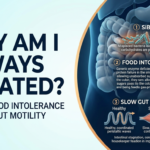

Irritable Bowel Syndrome (IBS) is one of the most common yet misunderstood digestive disorders affecting millions of people across the world. In a fast-paced urban environment like Mumbai, lifestyle stress, irregular eating habits, sedentary routines, and dietary patterns significantly contribute to the growing prevalence of IBS. Although IBS is not a life-threatening condition, it can severely impact a person’s quality of life, mental health, work productivity, and social interactions. This comprehensive guide explores everything you need to know about irritable bowel syndrome in Mumbai, including symptoms, causes, diagnosis, treatment options, and how to manage it effectively.
What Is Irritable Bowel Syndrome (IBS)?
Irritable Bowel Syndrome is a chronic functional gastrointestinal disorder that affects the large intestine (colon). Unlike inflammatory bowel diseases such as Crohn’s disease or ulcerative colitis, IBS does not cause structural damage to the intestines. Instead, it disrupts the normal functioning of the digestive system, leading to recurring symptoms related to bowel movement and abdominal discomfort.
IBS is typically classified into three main types:
- IBS-C: Predominantly constipation
- IBS-D: Predominantly diarrhea
- IBS-M: Mixed pattern with both constipation and diarrhea
Some patients may also fall under an unclassified category if symptoms don’t clearly match a specific type.
Why IBS Is Increasing in Mumbai
Mumbai’s high-pressure work culture, long commuting hours, erratic eating schedules, fast food consumption, and poor sleep habits have created the perfect environment for digestive disorders like IBS to thrive. Additional contributing factors include:
- High stress and anxiety levels
- Excessive caffeine and alcohol intake
- Processed and spicy foods
- Lack of physical activity
- Poor gut health due to repeated antibiotic use
Urban stress combined with dietary imbalances plays a major role in triggering and aggravating IBS symptoms.
Common Symptoms of IBS
Symptoms of IBS vary from person to person and often fluctuate in severity. The most commonly reported symptoms include:
- Recurrent abdominal pain or cramping
- Bloating and excessive gas
- Diarrhoea, constipation, or alternating between both
- Mucus in stool
- Feeling of incomplete bowel evacuation
- Urgency to pass stools, especially after meals
- Fatigue and weakness associated with digestion
Symptoms often worsen during periods of stress, travel, poor diet, or hormonal changes.
Causes and Triggers of Irritable Bowel Syndrome
The exact cause of IBS is still not fully understood, but doctors recognize several contributing factors:
- Gut-Brain Axis Dysfunction – The communication between the brain and the gut becomes disturbed, making the intestines overly sensitive to normal digestive processes.
- Abnormal Gut Motility – Faster or slower movement of food through the intestines leads to diarrhoea or constipation.
- Food Sensitivities – Certain foods such as dairy, gluten, spicy foods, fried foods, caffeine, and artificial sweeteners can trigger IBS symptoms.
- Stress and Anxiety – Psychological stress is one of the strongest triggers for IBS flare-ups.
- Altered Gut Microbiome – Imbalance of good and bad bacteria in the digestive tract plays a crucial role.
How IBS Is Diagnosed?
There is no single test to diagnose IBS. Instead, doctors in Mumbai typically diagnose IBS based on:
- Detailed symptom history
- Rome IV diagnostic criteria
- Physical examination
- Basic blood tests and stool tests to rule out infections, anaemia, or inflammation
- In some cases, colonoscopy or endoscopy to exclude serious conditions like IBD, polyps, or cancer
Since IBS is a diagnosis of exclusion, ruling out other digestive disorders is an essential step.
Treatment Options for IBS in Mumbai
IBS treatment focuses on symptom control, lifestyle modification, and improving gut health. With access to advanced gastroenterology care, Mumbai offers comprehensive treatment approaches.
1. Dietary Management
Diet plays a central role in IBS control. Common approaches include:
- Low FODMAP Diet: Avoids fermentable carbohydrates that cause bloating and gas
- Limiting spicy, oily, and junk foods
- Reducing caffeine and alcohol
- Increasing fiber intake (for IBS-C)
- Staying well hydrated
Nutritionists and gastroenterologists in Mumbai often guide patients with personalized diet plans.
2. Medications
Depending on the type and severity of IBS, doctors may prescribe:
- Antispasmodics for abdominal cramps
- Laxatives for constipation
- Anti-diarrheal agents
- Probiotics to improve gut flora
- Low-dose antidepressants for pain modulation
- Gut motility regulators
Medications are carefully chosen based on the patient’s IBS subtype.
3. Stress Management and Mental Health Support
Because IBS is closely connected to emotional health, treatments often include:
- Cognitive Behavioral Therapy (CBT)
- Anxiety and stress management techniques
- Meditation and yoga
- Sleep regulation
Many Mumbai-based clinics now follow an integrated gut-brain treatment approach.
4. Alternative and Holistic Therapies
Some patients also benefit from:
- Ayurveda and Panchakarma therapies
- Acupuncture
- Herbal medications
- Gut-directed hypnotherapy
These are often used alongside conventional medicine for long-term symptom control.
Why is IBS common in Mumbai?
Living with IBS in a crowded, high-pressure city like Mumbai can be challenging. Frequent bathroom urgency, bloating, fatigue, and pain can affect:
- Work performance
- Daily commuting
- Social outings
- Travel
- Mental well-being
However, with proper diagnosis and treatment, most patients can lead a completely normal and productive life. IBS is manageable, and long-term remission is absolutely possible.
IBS vs Serious Digestive Disorders: Knowing the Difference
One of the biggest fears among patients is confusing IBS with serious conditions like colon cancer or inflammatory bowel disease. Unlike these conditions:
- IBS does not cause bleeding
- IBS does not lead to weight loss
- IBS does not increase cancer risk
- IBS does not cause structural damage
However, warning signs such as blood in stools, unexplained weight loss, persistent fever, anemia, or symptoms starting after age 50 require immediate medical evaluation.
Cost of IBS Treatment in Mumbai
The cost of IBS treatment in Mumbai has many components – Consultation fees, diagnostic investigations, medications and supplements, diet counselling and therapy sessions. Since IBS is a chronic condition, treatment is usually long-term but affordable when managed systematically.
Choosing the Right Gastroenterologist for IBS in Mumbai
When selecting a doctor for IBS treatment, consider:
- Specialization in functional gut disorders
- Experience in treating IBS
- Availability of diet and mental health support
- Comprehensive diagnostic approach
- Patient reviews and follow-up care structure
Avoid frequent self-medication, as improper treatment can worsen symptoms over time.
Lifestyle Tips to Control IBS
Here are some practical lifestyle changes that significantly improve IBS symptoms:
- Eat meals at fixed times
- Chew food slowly
- Avoid overeating
- Walk for 20–30 minutes daily
- Practice deep breathing and relaxation
- Avoid late-night meals
- Limit ultra-processed foods
Irritable Bowel Syndrome in Mumbai is increasingly common due to modern lifestyle pressures, but it is far from untreatable. With the right diagnosis, dietary planning, medical support, and stress management, IBS can be effectively controlled. Patients no longer need to suffer silently or compromise their daily life due to digestive discomfort.
Mumbai offers a complete ecosystem for IBS treatment—from expert gastroenterologists and diagnostic labs to nutritionists and mental health professionals. If you are experiencing frequent abdominal pain, bloating, constipation, or diarrhea, early medical evaluation can help restore balance to your digestive system and significantly improve your quality of life.
Consistency is the key to long-term IBS control.