
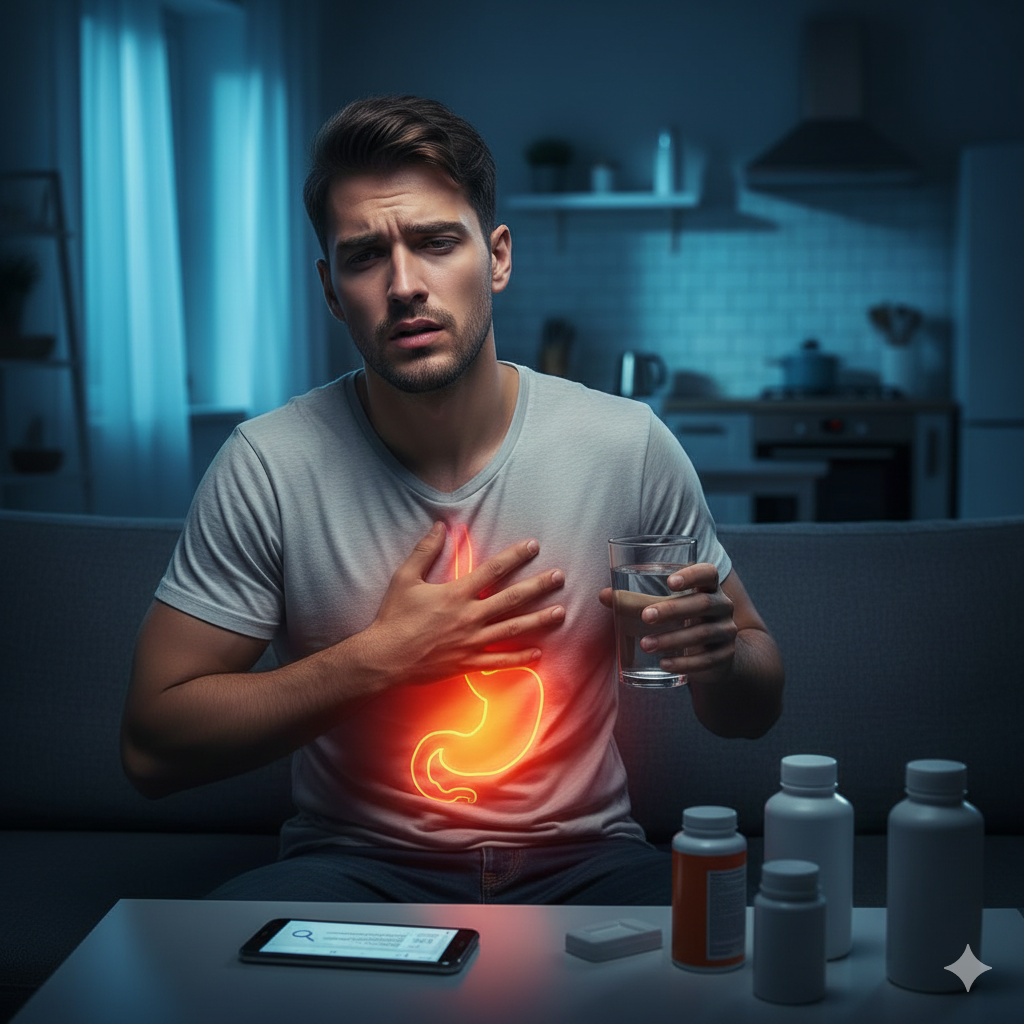
Every year, millions of people experience that all-too-familiar, searing pain that bubbles up from the chest and settles in the throat. This is often dismissed as a simple case of Acid Reflux or occasional Heartburn—a minor inconvenience caused by that extra slice of pizza or an overindulgent meal. While sporadic acid reflux is common and rarely a cause for alarm, when these symptoms become a frequent, disruptive, and chronic part of life, they signal a more serious underlying condition: Gastroesophageal Reflux Disease, commonly known as GERD.
GERD is not just a severe case of heartburn; it is a clinical diagnosis defined by the regular, persistent backflow of stomach acid and sometimes bile into the esophagus. This chronic exposure to corrosive stomach contents can inflame and damage the delicate lining of the esophageal tissue. Understanding the critical distinction between temporary acid reflux and chronic GERD is the first step toward effective management and, ultimately, protecting your long-term digestive health. Research estimates that approximately 20% of the population in Western countries grapples with this condition, making it one of the most common gastrointestinal disorders globally. This comprehensive guide will take you beyond the burning sensation to explore the root causes of GERD, detail the full spectrum of its symptoms, and outline the full range of modern GERD treatment options, from simple lifestyle adjustments to advanced surgical interventions.
What Causes GERD?
At the heart of the GERD puzzle lies a sophisticated piece of human plumbing known as the Lower Esophageal Sphincter (LES). To understand what causes GERD, one must first appreciate the normal function of this muscle.
The esophagus is a long muscular tube that transports food from your mouth to your stomach. The LES is a ring of muscle located at the junction of these two organs, acting as a crucial one-way valve. When you swallow, the LES briefly relaxes to allow food and liquid to pass into the stomach, and then it quickly tightens and closes to prevent stomach contents—specifically the highly acidic digestive juices—from splashing back up into the esophagus.
In a person with GERD, this mechanism malfunctions. The primary cause of reflux is often a compromised LES dysfunction. The sphincter may be too weak or may relax inappropriately and too frequently, allowing stomach acid to reverse flow, or reflux, into the esophagus. This chronic backwash is the source of the persistent irritation and subsequent inflammation that defines the disease.
Key Anatomical and Lifestyle Contributors
While a weak LES is the central player, several other factors can significantly contribute to, or exacerbate, the condition:
- Hiatal Hernia: This anatomical condition is a major contributor to GERD. A Hiatal Hernia occurs when the upper part of the stomach bulges up through the small opening in the diaphragm (the muscle separating the chest and abdomen) and into the chest. This displacement can physically interfere with the LES’s ability to close tightly, leading to a loss of muscular support and increased acid exposure.
- Delayed Gastric Emptying: When the stomach takes too long to empty its contents, it leads to prolonged pressure and a greater likelihood of stomach acid being forced back up through a weakened LES.
- Increased Abdominal Pressure: Conditions that raise the pressure within the abdomen—most notably obesity and pregnancy—can physically squeeze the stomach, pushing contents upwards and increasing the frequency of reflux events. This is why weight loss can be one of the most effective interventions for many patients with GERD.
- Dietary and Lifestyle Triggers: Certain foods and habits can either increase stomach acid production or cause the LES to relax, including smoking, alcohol, caffeine, fatty foods, and consuming large meals late at night. These factors don’t necessarily cause GERD, but they are notorious for triggering severe episodes of heartburn.
Understanding these underlying mechanical failures and risk factors is crucial, as effective GERD treatment must be targeted not only at neutralizing the symptoms but also at addressing the physiological or lifestyle causes.
Recognizing the Symptoms
When most people think of GERD, they immediately picture heartburn. While a painful, burning sensation in the chest, often rising toward the neck and throat, is the hallmark symptom, relying solely on this one indicator can lead to missed diagnoses and delayed treatment. The full spectrum of GERD symptoms is surprisingly broad and often includes manifestations that seem completely unrelated to the digestive tract.
Classic Esophageal Symptoms
The typical presentation of GERD involves direct irritation of the esophagus:
- Heartburn: This is the most common complaint, often described as worse after eating, bending over, or lying down—especially after a late-night meal.
- Regurgitation: This involves the effortless, sometimes sour or bitter, backwash of food or stomach acid into the throat or mouth. It can be particularly distressing and may even wake a person from sleep.
- Noncardiac Chest Pain: Reflux can cause intense pain in the chest that mimics a heart attack. This is a crucial distinction, and anyone experiencing severe chest pain should seek immediate medical attention to rule out cardiac issues first.
- Dysphagia (Difficulty Swallowing): A feeling that food is sticking in the throat or chest can occur due to inflammation (esophagitis) or, more seriously, due to the formation of scar tissue (esophageal stricture).
Atypical and Extraesophageal Symptoms
The most often overlooked and misdiagnosed symptoms of GERD are those that manifest outside the esophagus—known as extraesophageal symptoms. These occur when acid travels high up into the throat and respiratory system, leading to chronic issues:
- Chronic Cough and Hoarseness: Persistent, dry coughing, especially at night or upon waking, is a classic sign of reflux irritating the airways. Similarly, hoarseness or a scratchy, sore throat that isn’t accompanied by cold symptoms can be the result of acid damage to the vocal cords (laryngitis).
- Asthma or Worsening Asthma: Acid aspiration into the lungs can trigger bronchospasm, mimicking or aggravating existing asthma.
- Sensation of a Lump in the Throat: This discomforting feeling of something stuck in the throat is often a result of chronic irritation.
- Dental Erosion: The repeated exposure of tooth enamel to stomach acid can lead to significant dental damage over time.
If your symptoms—especially chronic cough or persistent hoarseness—do not respond to standard treatments for allergies or respiratory issues, chronic GERD may be the underlying culprit. Recognizing these atypical signs is vital for an accurate diagnosis.
The GERD Lifestyle
For many people, the best and most immediate form of GERD treatment involves targeted lifestyle changes. These adjustments are often referred to as GERD home remedies and are highly effective at reducing the frequency and severity of reflux episodes by minimizing pressure on the LES and limiting acid production. Diet is arguably the most controllable factor in managing reflux. The goal of a GERD diet is two-fold: to avoid foods that relax the LES and to minimize foods that increase acid secretion. Understanding what not to eat to avoid heartburn is paramount.
Foods and Beverages to Limit or Avoid:
- High-Fat and Fried Foods: These delay gastric emptying, leaving food in the stomach longer and increasing pressure.
- Caffeine and Alcohol: Both are notorious for relaxing the LES, making it easier for acid to reflux.
- Peppermint and Chocolate: Though often considered benign, these contain compounds that can weaken the LES muscle.
- Acidic Foods: Citrus fruits, tomatoes, and tomato-based products (like pasta sauce) can directly irritate an already inflamed esophageal lining.
- Spicy Foods: Can be a direct irritant to the esophageal mucosa.
Foods to Embrace:
Conversely, a good GERD diet emphasizes foods that are low in acid, easy to digest, and sometimes serve to coat the esophagus:
- Lean proteins (chicken, fish)
- High-fiber foods (oatmeal, whole grains)
- Alkaline foods (bananas, melons, cauliflower)
- Healthy fats (avocado, nuts—in moderation)
Beyond food, simple physical adjustments can dramatically reduce symptoms: If you are overweight or obese, losing even a small amount of weight can significantly reduce abdominal pressure on the stomach and LES, often leading to a profound improvement in symptoms. Avoid eating large meals, and strictly adhere to the rule of no late-night eating. The recommendation is to wait at least three hours after a meal before lying down or going to bed, allowing gravity to assist in keeping stomach contents in place. For those suffering from nighttime symptoms, simply propping up your head with extra pillows is often ineffective. Instead, raise the entire head of the bed by six to nine inches using blocks under the bedposts. This uses gravity to keep stomach acid down, especially during sleep. This is one of the most effective GERD home remedies for nocturnal reflux. Tobacco use is a major risk factor, as it both relaxes the LES and directly damages the lining of the esophagus. Quitting smoking is a non-negotiable step in effective GERD treatment.
Medications for Relief
When lifestyle and dietary modifications are not enough to control symptoms, medication becomes the next line of defense in GERD treatment. These drugs work primarily by neutralizing or reducing the amount of acid produced by the stomach.
Over-the-Counter and Prescription Options
- Antacids: (e.g., Tums, Rolaids) These offer rapid but short-lived relief by neutralizing stomach acid already present. They are best used for intermittent, mild episodes of heartburn.
- H2 Blockers (Histamine-2 Receptor Antagonists): (e.g., famotidine) These drugs reduce acid production by blocking histamine receptors in the stomach. They take longer to work than antacids but provide longer relief, often lasting up to 12 hours. They are suitable for mild to moderate, recurring Acid Reflux.
- Proton Pump Inhibitors (PPIs): (e.g., omeprazole, lansoprazole) Proton Pump Inhibitors (PPIs) are the most potent and most commonly prescribed medications for GERD. They work by irreversibly blocking the ‘pumps’ in the stomach lining that produce acid, resulting in significant and long-lasting acid suppression. PPIs are highly effective for healing esophagitis and managing severe symptoms.
Advanced Options & Diagnosis
For patients whose symptoms are refractory (meaning they do not respond adequately) to high-dose PPIs and rigorous lifestyle changes, further investigation and more advanced treatment are required. To confirm a diagnosis and assess the severity of GERD, a gastroenterologist may recommend tests:
- Upper Endoscopy: A thin, flexible tube with a camera is passed down the throat to visually inspect the esophagus, stomach, and duodenum. This test is essential for checking for inflammation (esophagitis) and screening for Barrett’s Esophagus or other GERD complications. Biopsies can be taken during this procedure.
- Ambulatory pH Testing: A probe is placed in the esophagus for 24-48 hours to measure acid exposure and correlate it with symptoms.
- Esophageal Manometry: This test measures the strength and coordination of the esophageal muscles, including the Lower Esophageal Sphincter (LES), to assess its functionality.
GERD Complications
Ignoring persistent Acid Reflux symptoms is a significant risk. If stomach acid is allowed to damage the esophagus chronicly, it can lead to serious GERD complications that dramatically impact quality of life and health risk.
- Esophagitis: Chronic inflammation and irritation of the esophageal lining, which can cause pain, bleeding, and difficulty swallowing.
- Esophageal Stricture: Over time, the damage from acid leads to scar tissue formation. As this scar tissue contracts, it narrows the esophagus, creating an Esophageal Stricture. This can cause severe dysphagia (trouble swallowing) and may require endoscopic dilation to stretch the esophagus open.
- Barrett’s Esophagus: This is the most serious long-term GERD complication. In response to years of acid exposure, the cells lining the lower esophagus change from normal squamous cells to columnar cells (like those lining the intestine). While not cancerous itself, Barrett’s Esophagus is a precursor condition that significantly increases the risk of developing esophageal adenocarcinoma, a type of esophageal cancer. Regular screening via upper endoscopy is mandatory for patients diagnosed with Barrett’s.
The chronic nature of GERD necessitates a proactive approach. Early and effective GERD treatment not only relieves painful daily symptoms but is the best defense against these potentially devastating long-term consequences.
Conclusion
Gastroesophageal Reflux Disease (GERD) is a complex and highly prevalent condition that is far more than just a passing case of Heartburn. By understanding the pivotal role of the Lower Esophageal Sphincter (LES), recognizing the full array of its symptoms—including the subtle signs of chronic cough and hoarseness—and committing to a comprehensive GERD diet and lifestyle plan, most individuals can achieve excellent symptom control.
For those who continue to struggle, modern medicine offers highly effective pharmacologic tools like Proton Pump Inhibitors (PPIs) and advanced interventions, including the latest Anti-reflux surgery techniques. If you experience persistent symptoms, particularly severe chest pain or difficulty swallowing, it is essential to consult a healthcare professional. Do not wait for GERD complications like Barrett’s Esophagus or Esophageal Stricture to develop. Proactive management is the key to living a symptom-free life and protecting your long-term health.